

Decoding the Label: How to Shop for the Healthiest Eggs
Confused by pasture-raised, organic, cage-free, and conventional? We crack the code.
We’ve heard it from readers, friends, and family for years: “The egg section is so confusing!”
It’s true. These days, a trip to grab a carton of chicken eggs can leave you dizzy. All those labels and terms—what do they even mean? It’s hard not to get lost in the weeds, let alone be duped by clever marketing. And all the while, the mere cost of eggs these days is enough to make you second-guess what you’re even paying for.

Just know that we hear you. Ahead, we’ll break down what it all means, from the labels to the types, and where very cryptic marketing tactics can fool you. Ultimately, we’ll help you make the best decision on which eggs are worth choosing and which ones are best left on the shelf.
Eggs, Their Nutritional Benefits, and Your Health
Before we dive into the how of buying eggs, let’s uncover the why. Eggs sourced from a chicken hen are a fantastic source of complete protein. As satisfying as they are for breakfast, they can lend heartiness to a salad (think: a crispy fried egg atop a bowl of fresh frisée) or serve as a delicious dinner (think: a fluffy omelet).
Considering eggs range in size and source, one egg contains about six to seven grams of protein. It includes all nine essential amino acids needed for bodily function —isoleucine, leucine, lysine, methionine, phenylalanine, threonine, tryptophan, valine, and histidine —making it a “complete” protein. Eggs are also rich in vitamins A, B12, and D, as well as healthy fats and minerals.

Research shows that eating eggs is linked to better cognitive performance than in non-egg eaters. Another study suggests that older adults who eat eggs may be less likely to develop Alzheimer’s disease.
With all this said, it is always critical to consult your medical provider for their counsel on whether eggs or any foods are beneficial for you.
Sourcing Humane and Healthy Eggs
Let’s first address a serious issue: cryptic marketing. Wording on packaging can be convoluted, particularly when it comes to animal products. Companies will use specific terms—i.e., natural, free range—that sound great but often aren’t back up by any certification and therefore don’t amount to anything meaningful. Egg cartons are notorious for boasting a ton of jargon that means very little.
As you’ll see below, there are both wide-ranging and subtle differences in the terminology around eggs. Some wording means nothing, while other terms represent meaningful steps toward better health, animal welfare, and environmental care.
Any why does it all matter? Most of the corporate factory egg farming industry overlooks general societal welfare. Industrial hen houses have been linked to the spread of infectious diseases, widespread antibiotic use, and horrific animal abuse. Therefore, choosing eggs from humane sources supports your health and a more just food system.
Decoding the Label: The Types of Eggs
Conventional
These eggs most likely come from chickens raised in giant, commercial, mass-producing farms. We say “farms,” but really, these are more egg-generating machines. Chickens are often kept in tiny cages, which are stacked cells that allow for no room to roam, graze, or see daylight. These chickens live a life of misery. Their wings and beaks often get clipped, and they exist to pump out eggs for mass consumption. These are the most affordable eggs, but they are the least humane and least nutritious, as the hens are fed poor diets.
Cage-Free
This sounds good, but unfortunately, cage-free eggs don’t differ much from conventional eggs. These chickens may not be in cages, but there is no guarantee that they have abundant access to roam in the outdoors and fresh air. It’s not uncommon for cage-free hens to still live mostly indoors in cramped and sometimes inhumane spaces. Simply put, this is a nebulous term that leaves room for potentially harmful treatments.
Free-Range
Free-Range is similar to cage-free in that it leaves a gulf of opportunity for inhumane treatment. To be labeled Free-Range, the USDA mandates that the hens have access to the outdoors, but nowhere does it describe what the outdoor area must be like. Must the space be expansive and grassy, or can it be cramped and on concrete? There’s no way to know unless you visit the farm. The label also doesn’t state how long the hens must have access to this. On its own, this term doesn’t say much in support of the animal. However, if the term Free-Range accompanies the Humane Farm Animal Care (HFAC) certified seal, it means that each hen has at least two square feet and at least six hours of daily outdoor access (seasons or weather permitting).
Organic
When it comes to the USDA’s seals, Certified Organic carries weight. Similar to other USDA-certified organic animal products, these eggs come from hens raised and fed in ways that “promote ecological balance and conserve biodiversity” and do not contain any GMO ingredients or synthetic substances, including fertilizers. This means the nutritional value of these eggs meets USDA organic standards. The USDA also mandates that hens be uncaged, have free access to the outdoors, and be allowed to roam freely. But still… there are no requirements for this “outdoor” space, so it could be bucolic and open or cramped and dark. Therefore, USDA Organic on its own is a big step up, but still not the best eggs to get.
Pasture-Raised
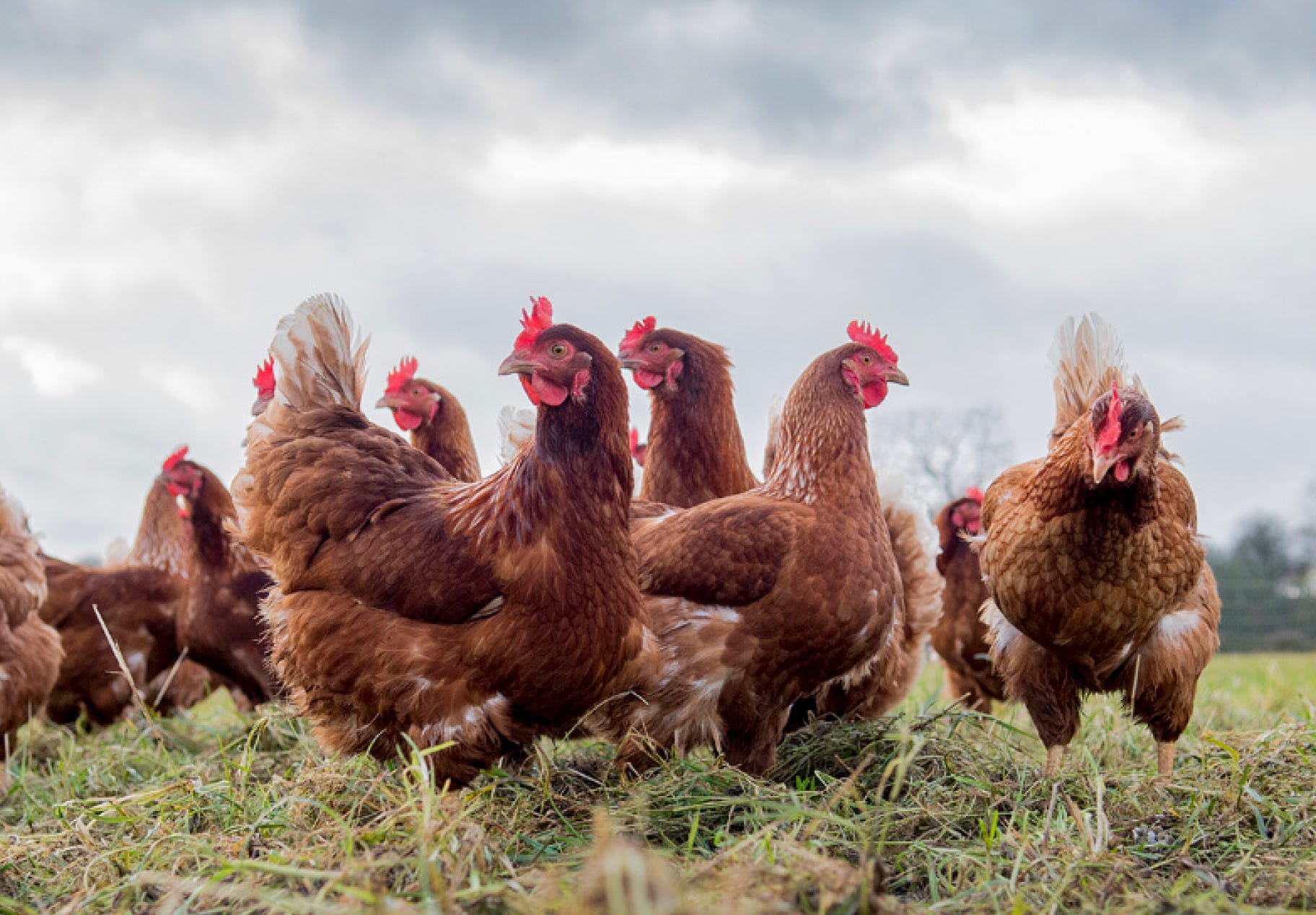
Pasture-raised generally means that the laying hens have access to an outdoor pasture where they can forage the natural grasses, peck in the fresh air, and live like they would in the wild. Essentially, this is the ideal living scenario for a chicken, resulting in the healthiest eggs. But to ensure your eggs come from pasture-raised chickens, look for certifications that verify it (keep reading!). The non-profit organization Humane Farm Animal Care mandates that any farmers labeling their eggs Pasture-Raised in tandem with HFAC Certified-Humane must provide at least 108 square feet per bird and year-round access to both the outdoors and indoors.
Certified-Humane
Certified-Humane means that the hens live a life of dignity, fair treatment, and care with no cramped cages in sight. The seal is given by the non-profit organization Humane Farm Animal Care, which fights for the fair treatment of farm animals. (Similar to meat and poultry, third-party certifications from non-profits are key to finding quality humane products.) To be given the certified humane approval, the farmers must prove that their hens are given ample space (a minimum of 1.5 square feet per bird in a barn); quality-of-life enrichments like perches and materials for dust bathing; access to clean housing, water, and air; access to natural light; and fed nutritious foods with no added growth hormones or unnecessary antibiotics. All of these measures impact the quality and nutrition of the eggs, resulting in a more nutrient-dense food.
Certified Animal Welfare Approved
Another respected and highly important seal. Similar to Certified Humane, eggs that are Certified Animal Welfare Approved come from hens that are treated with care and consideration. This independent label, run by the non-profit A Greener World, requires farmers to follow rigorous standards for its laying hens, including clean food and water, access to ample outdoor space and light, and other requirements that mirror a natural environment. The strict standards for AWA are similar to those of HFAC Certified-Humane, except A Greener World typically works with smaller companies.
So, What Are The Best Eggs to Get?
The most nutritious, humane, and delicious eggs are…